
As promised (to my two and a half readers and myself), I’m diligently writing another post, and this one combines my two greatest scientific loves – neuroscience and biospeleology!
Last weekend, I attended two very important conferences – 3rd Rijeka forum on neurodgenerative diseases – diagnosis and treatment in early stage of disease and 2nd Dinaric symposium on subterreanean Biology. There was one day overlap between the two, so I chose to spend my Friday in Rijeka, but more about that later on. Since this trip included a lot of walking and transport, for the simplicity I packed only the bare necessities, which included only one pair of booties (this comes in play later on).
The topic of neurodegenerative diseases is something I would really like to do all my future research in, and it’s also a subject of my master thesis (precisely, neurofibrillary tangles in rat brains). Also, there was no attending fee, which is pretty much amazing for the students. We (Bruno and me) arrived in Rijeka (from Zagreb) very early in the Thursday morning by bus and set to find the University campus where forum was taking place. This wasn’t my first time in Rijeka, so we didn’t have any problems with finding the venue. The forum consisted of plenary lectures held by renowned professors from all over the Europe (Sweden, Italy, Slovenia, England) and Croatia of course, and it was roughly divided into two parts, basic neuroscience and clinical research. As a biologist, I didn’t pay too much attention to clinical part, and instead was dutifully solving my programming homework. However, it was amazing to be there for both days, and just listening what was new in the world of neurodegenerative diseases. I didn’t find courage to ask questions (during the Q&A time, or even after), but I hope that one day I will. We didn’t “touristly” roam around Rijeka, but we stayed overnight in the most gorgeous apartment in the centre, I was seriously impressed!
On Friday, after lecture, I stayed in the venue for a little while (internet access!) and then we went to the train station. I love travelling by trains, and I try to do it as much as possible. Luckily, this train to Ljubljana (yes, Slovenia again!) also went through our next stop, Postojna. If that name rings a bell, that’s surely because of the Postojna Cave, one of the most famous caves open to tourists in the area. It is also special because there are many blind cave salamanders, which are part of the vivarium as well. Our plan was to visit this cave at Sunday, while Saturday was reserved for the Dinaric symposium. The symposium was held in Karst museum in Slovenia, and we caught the last plenary session and some posters. There was a short break (we went to the town centre to stock-pile some food) and then, the excursion!

We were driven by car by our hosts, Teo and Ester (who we met during this summer – I will write about that in the next post!) to Rakov Škocjan. I would like to use this opportunity to say that Slovenia is really beautiful, full of intact nature and small roads. In Rakov Škocjan, we set for a quite a long walk to visit two natural bridges and caves near them. I had my shiny new camera with them, so I was taking as much photos and videos as possible, and honestly, I also used this as an excuse to stay behind, because I had a hard time keeping up with the rest of the group (I’m chronically out of shape). The trails itself is beautiful, a part of it also goes near the river Rak. Soon we came to the first natural bridge, which is completely made of stone. The only thing human hand built were protective barriers, so people don’t fall down. The story behind both bridges is that they used to be huge caves, but they collapsed, leaving only the bridges. Parts of the caves still remain, so most of the group went down to enjoy the cave and river that goes through it. I stayed behind, because I assumed it would take me too long to climb down and back up, and I didn’t want to hold back the whole group.

After the first bridge, we went back to the meeting point, which was the hotel where we had lunch. Next, the second bridge, which is 5-minute-long car ride away, and about 20 minutes by foot from there. Usually, the passage under this large natural bridge is almost completely under water, but we were lucky, as it was completely dry. We carefully walked in the river canyon, up the entrance of the second cave. Since Bruno and I didn’t bring any headlamps, one of the organizers kindly borrowed us spare helmets with the lamp on. Which lamp, you may ask? Scurion, the best of the best! I was so excited to wear it that I made Bruno take countless pictures of me!


Then, we naturally went to explore the cave, which wasn’t as dry as the canyon. Sometimes, it was really hard to see how deep the water level is, and that’s how I ended up with a very wet right foot. Like, full on water in my boot, because the water level was just a bit too high then I anticipated. This didn’t stop me to try out my camera, and I was very satisfied with the photos, since they are a big step forward from the ones I took this summer (again, this will my next post!). The light from the Scurion was on occasion so strong, that some of the photos look almost burned, I couldn’t believe it.


Some folks went through the whole cave, but I wanted to go back the same way, to take more pictures of the bridge and cave entrance, since I didn’t have enough time to do it the first time we went through. Honestly, at moments, I felt like everything is a bit too fast, especially for someone who wanted to take a quick break and just enjoy the nature or take a few snaps for the photo album. The whole time however, I was thinking only how wet my sock is, and couldn’t wait to go back to our apartment and change. However, the group had other plans and first we went to the small café close to the big lake, which I honestly didn’t see. We did say to Teo that we would like to go back and would skip dinner (programming!), so he organized a transport back for us, which we were quite grateful for.


The next day, the big day! Postojna cave, or at least we thought so. After waking up, we realized we should walk two kilometers up to the cave, with both of our backpacks and I also had a bag full of photography equipment. There were some taxi companies, but no one answered, and we also didn’t have almost any cash, since I’m used to paying with a bank card. This was actually a problem in Postojna – apart from big chain stores, everything was to be paid in cash, and all ATM-s were located in the city centre. All of this, combined with our train schedule and my sill wet boot, contributed to us giving up on Postojna cave, and heading for a train station… Where we realized that the ticket office is closed, and we can’t pay with bank card in the train. So, Bruno quickly headed back to the centre, and came back with some pastries as well. Our way back went smoothly – first train to Ljubljana, trying out new burgers at McDonalds, and then train to Zagreb. During that time, we decided to come back to Postojna during the winter, and explore that cave, as well as going back to Rakov Škocjan on our own, setting our own pace and excursion plan. However, apart from finishing my homework assignment, the most important thing, excluding pretty photos, is the fact that I finally finished reading Dracula, the book I struggled with for almost two years, for the reasons I still don’t understand.

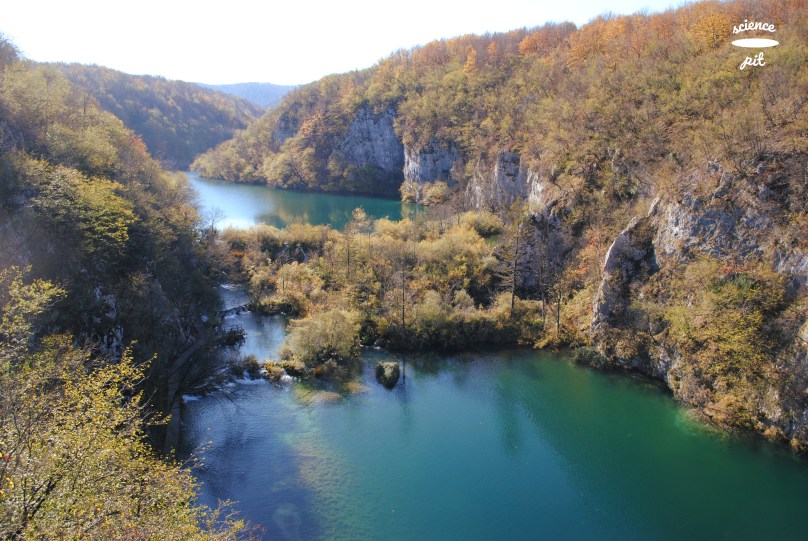
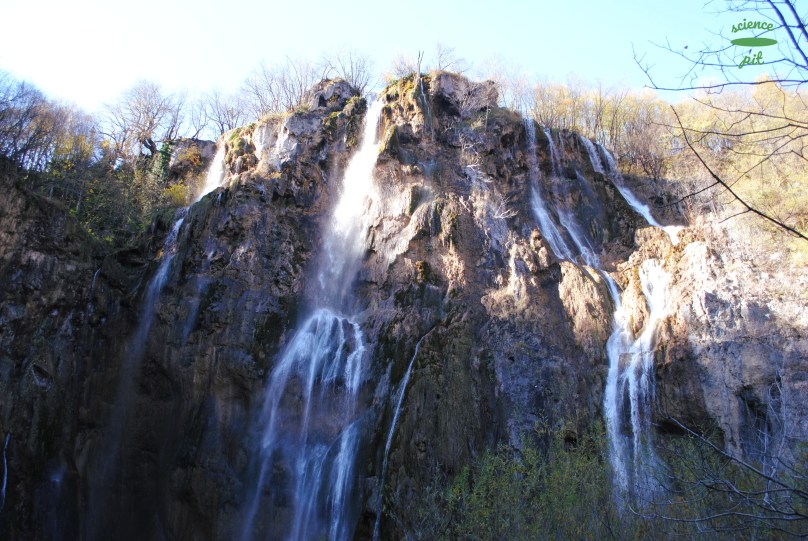 Picture 2. Amazing waterfall in Plitvice
 Picture 3. Calm lake and some rocks. And trees.
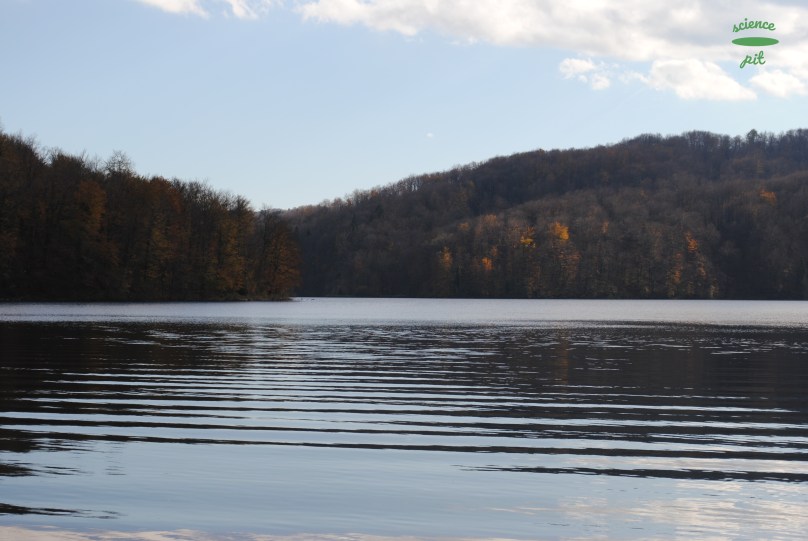 Picture 4. View of a lake, before the boat drive
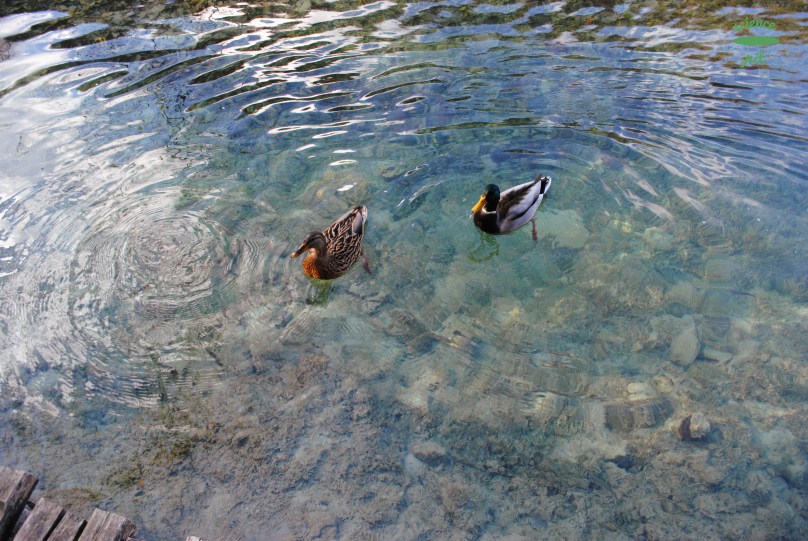 Picture 5. Mallards humbly asking for bread
 science-pit.blog